Farming remains industry with poorest safety record

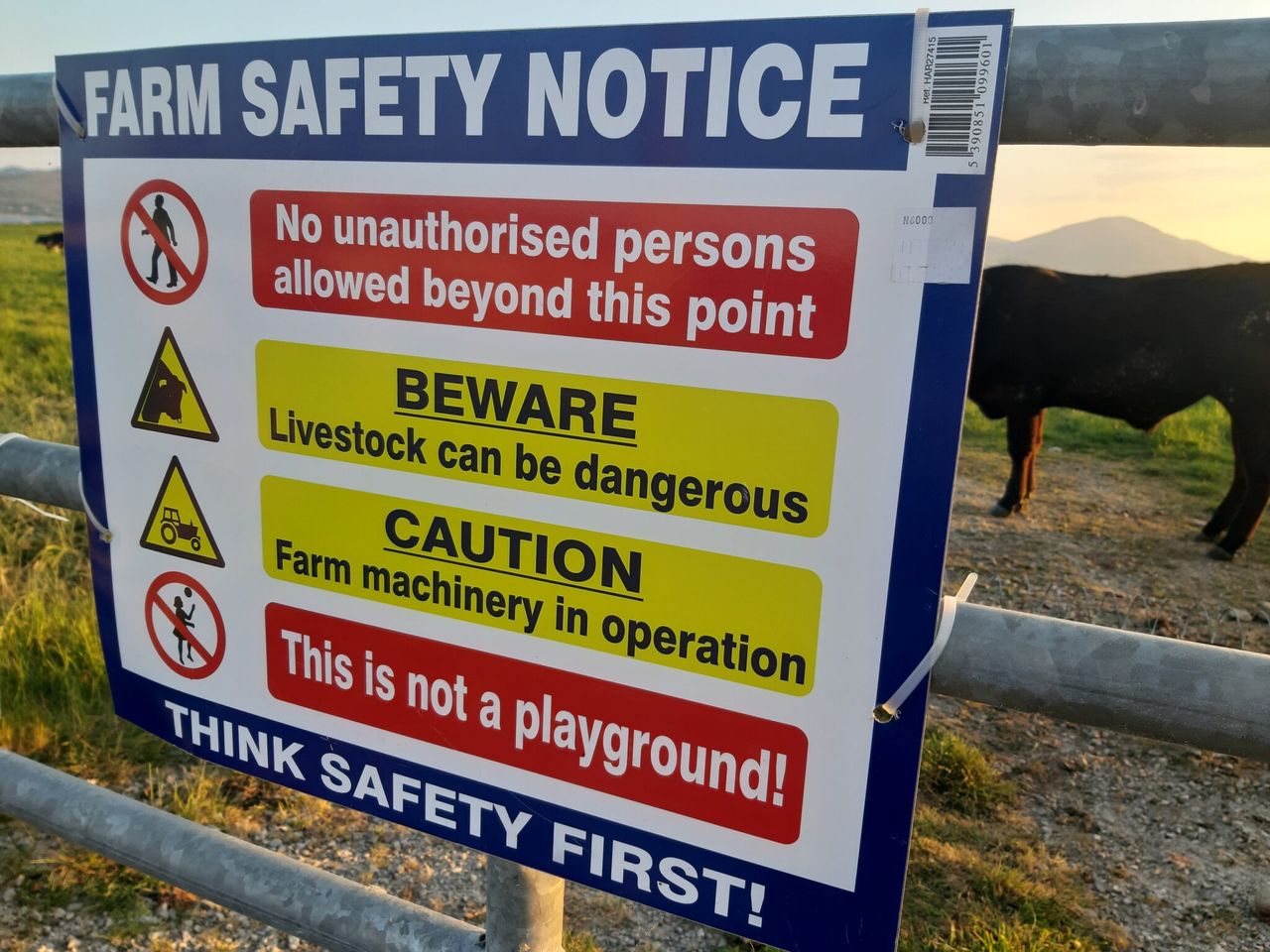
Farming remains the industry with the poorest safety record with high levels of both fatal and life changing injuries, according to data from the HSE (Health and Safety Executive).
22 workers lost their lives on farms in England, Scotland and Wales in 2025/2026.
Half of the workers killed were aged 65 and over, while 10% of all fatalities in the period involved children.
The figures also reveal that workers in agriculture, forestry and fishing are around 7 times more likely to be killed at work than those in construction and 21 times more likely than the all industry average.
Safety
The statistics come as Farm Safety Week kicks off today (Monday, July 20) for its 14th year.
Led and funded by the Farm Safety Foundation, this year’s campaign will focus on the long term, life changing consequences of serious injuries.
This year, the sector has recorded one of the highest numbers of fatalities in over a decade.
However, thousands more farm workers are suffering injuries and ill-health that fundamentally alters their ability to work, live independently and enjoy family life.
Around 9,000 workers in the sector are suffering from work related ill-health, with 67% linked to musculoskeletal disorders.
According to rural insurer NFU Mutual, farm accident claims fell marginally from 894 in 2024/2025 to 868 in 2025/2026.
The Farm Safety Foundation said the decline, while modest, suggests that sustained safety training and awareness campaigns may be beginning to take effect.
Farmer survey
A new survey of farmers and agricultural workers carried out by the Farm Safety Foundation during May-June 2026 found that the biggest fear on UK farms may not be dying in an accident, but surviving one with a life-changing injury.
Nearly half of the 408 respondents surveyed who were aged under 40 (49.7%) said that if they were to have a farm accident, they were more worried about ending up with a disability, compared with 36.6% who said they were more worried about dying.
Older respondents showed a similar pattern, with 51.7% concerned about disability compared to 31.4% worried about death.
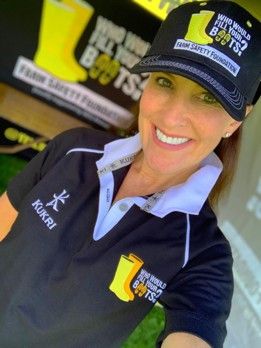
Stephanie Berkeley, manager of the Farm Safety Foundation, said: "When we talk about farm safety, fatalities understandably dominate the conversation, but serious injuries can be just as life changing.
"The reality is that there is no such things as a papercut on a farm and the margin between a near miss, a serious injury and a fatal incident is often frighteningly small.
"A fall from height, an encounter with machinery, a vehicle incident - these don’t always result in death, but they can leave someone living with chronic pain, reduced mobility, disability or an inability to continue working.
"That impact doesn’t stop with the individual; it affects the family, the farm business and the community as a whole," she said.
Farm Safety Week 2026 will aim to challenge "the long-standing misconception" that only fatal injuries matter.
“If we are really serious about making our farms safer, we must broaden the conversation.
"We must start to take injuries just as seriously as fatalities and recognise that preventing harm, not just death, has to be our goal.
"We must bring the people behind the statistics into the open - not to alarm but to connect.
"Because connection is what changes behaviour and on farms, injuries don’t have to be fatal to be life changing," Berkeley added.
Farm Safety Week
Wayne Owen, HM Inspector of Health and Safety (Agriculture) said that Farm Safety Week provides "an important opportunity to highlight both the safety and health challenges faced by those working in agriculture".
"Farming remains one of the most vital industries in Britain, but it also continues to have one of the poorest health and safety records.
"The continued loss of life, particularly the deaths of nine children on Britain’s farms over the last five years, is both tragic and unacceptable.
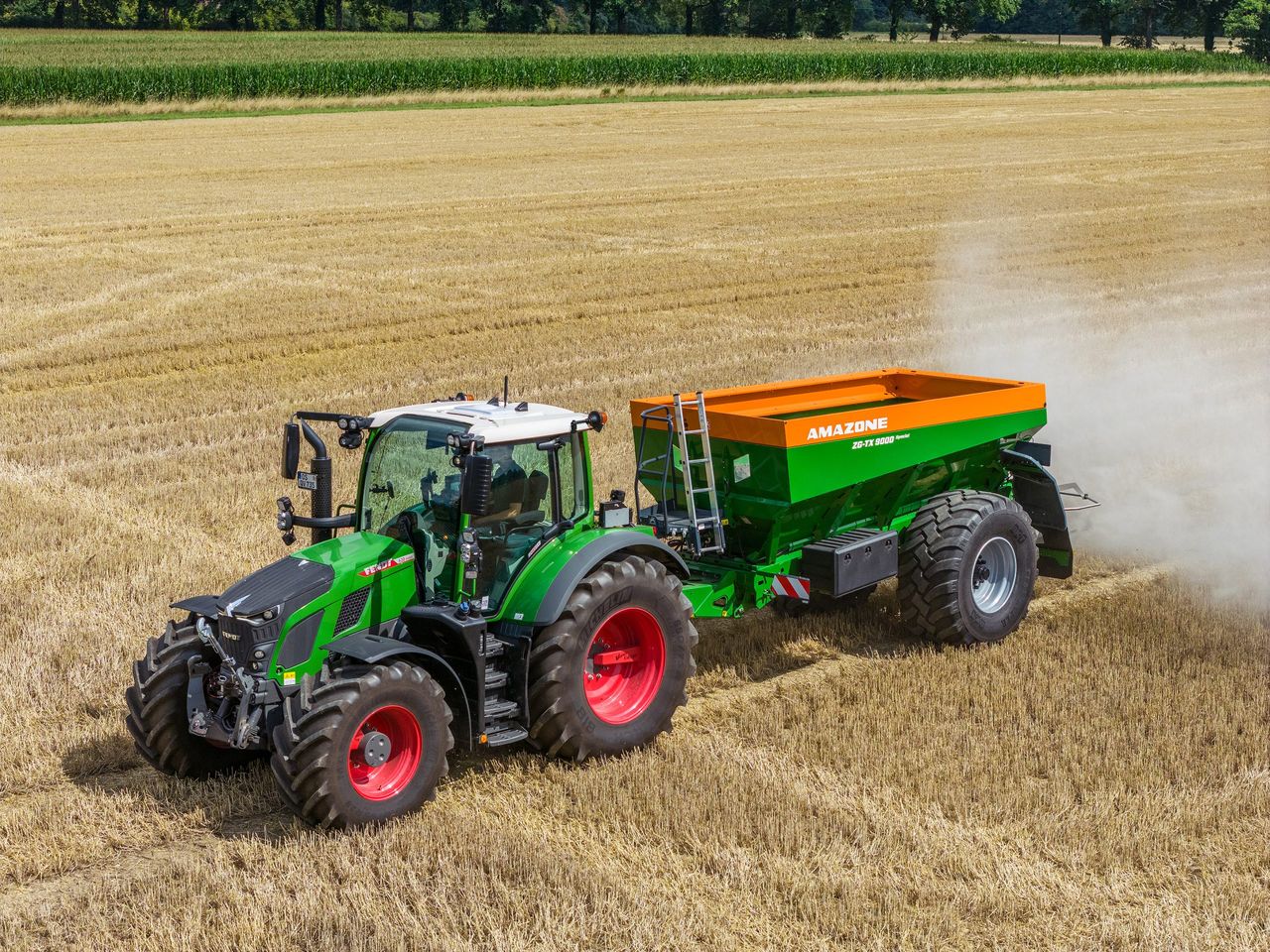
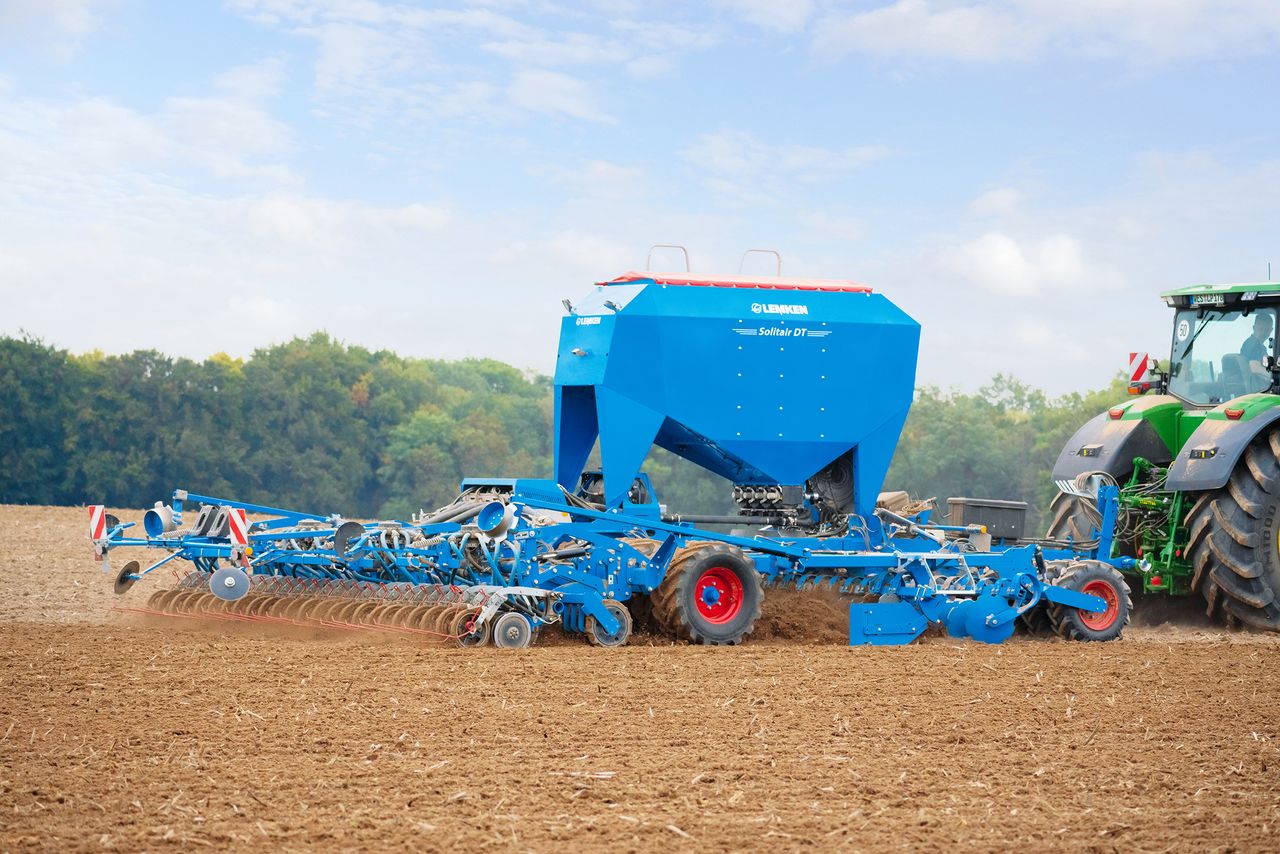
"These are not inevitable accidents; many result from risks that could and should be controlled, with vehicles, machinery, falls, animals and falling objects continuing to be the main causes of fatal incidents.
"Meaningful and lasting improvement will only come through a significant cultural change across the industry - one that starts on every farm and with every farmer.
"Health and safety must be at the heart of everyday decision-making, with everyone taking personal responsibility for protecting themselves, their families, their workers and members of the public," he said.